Comprehensive Guide to HVAC Systems
This guide provides an overview of HVAC systems, explaining their importance in maintaining indoor comfort and air quality. Understanding the components and functions of HVAC systems helps homeowners make informed decisions regarding their installation and maintenance.
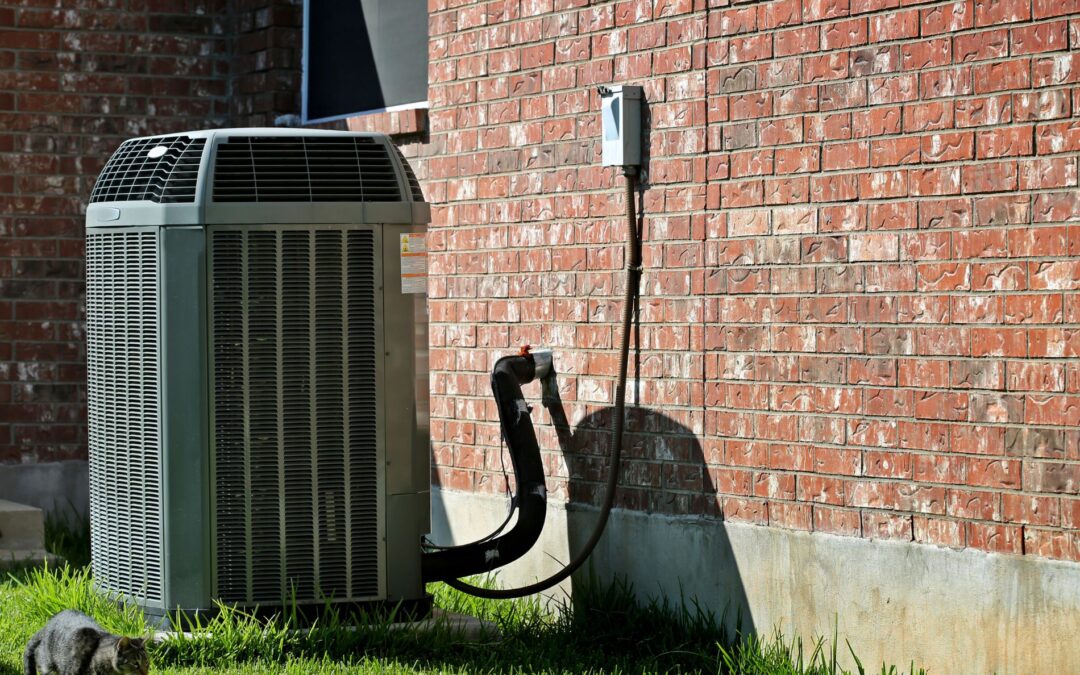
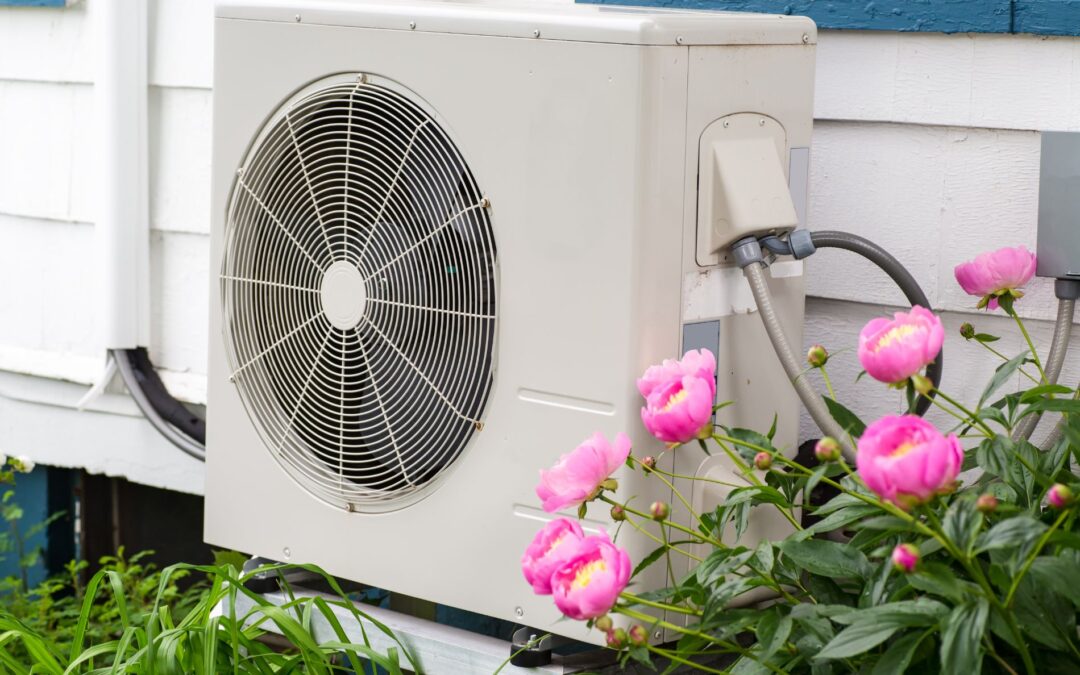
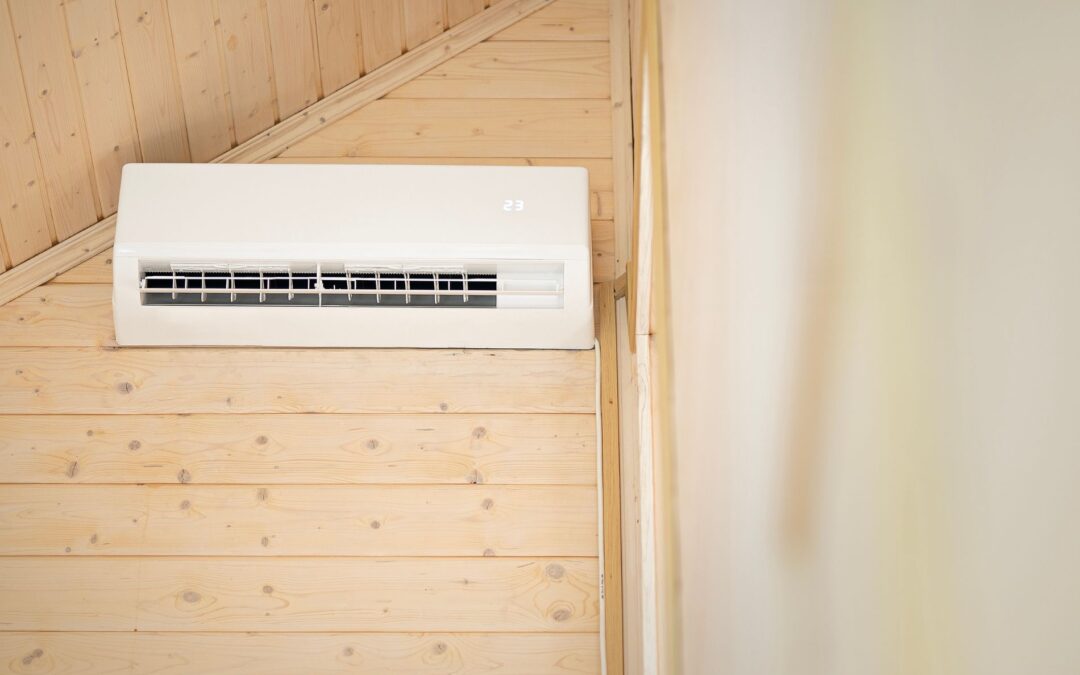
HVAC stands for Heating, Ventilation, and Air Conditioning. These systems work together to regulate temperature, humidity, and air quality in homes and buildings. By learning about different types of HVAC systems, such as central air conditioning, ductless mini-splits, and heat pumps, homeowners can choose the best option for their specific needs.
Understanding Indoor Air Quality (IAQ) and Its Importance
Indoor air quality (IAQ) is crucial for the health and comfort of occupants in any space. Poor IAQ can lead to various health issues, including allergies, respiratory problems, and fatigue. Homeowners should prioritize maintaining good IAQ to ensure a safe and comfortable environment.
Factors affecting IAQ include ventilation, humidity levels, and the presence of pollutants such as dust, mold, and volatile organic compounds (VOCs). Regular maintenance of HVAC systems, including changing filters and ensuring proper ventilation, plays a significant role in improving and sustaining indoor air quality.
Seasonal HVAC Maintenance Checklist
A seasonal HVAC maintenance checklist helps homeowners prepare their systems for optimal performance year-round. Regular maintenance not only extends the lifespan of the equipment but also improves energy efficiency and reduces the risk of unexpected breakdowns.
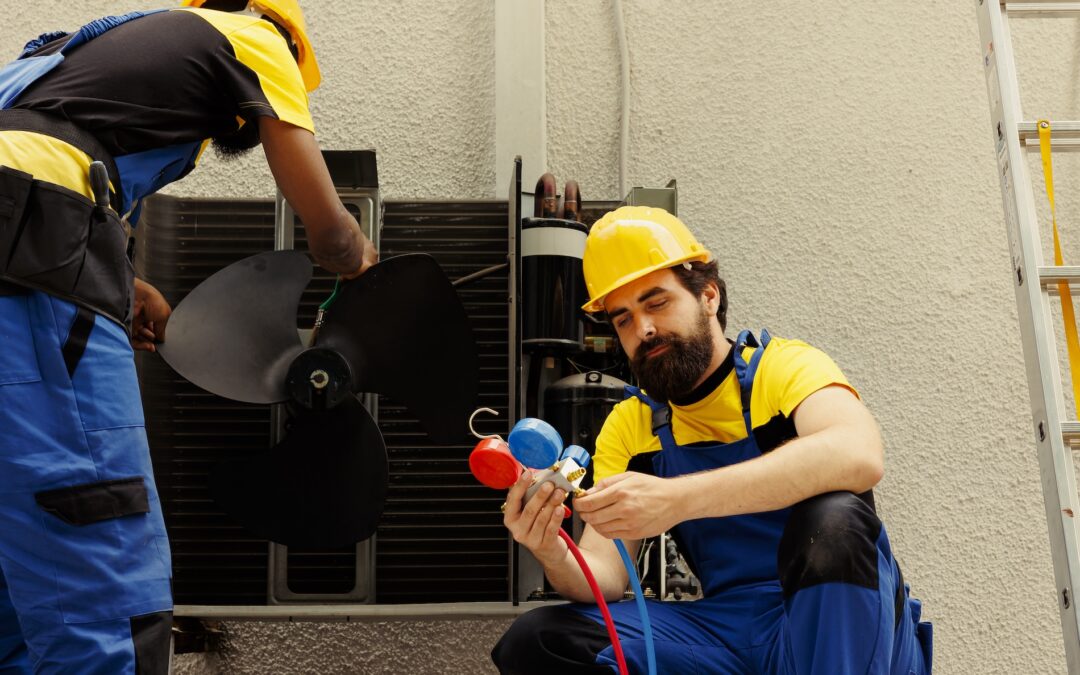
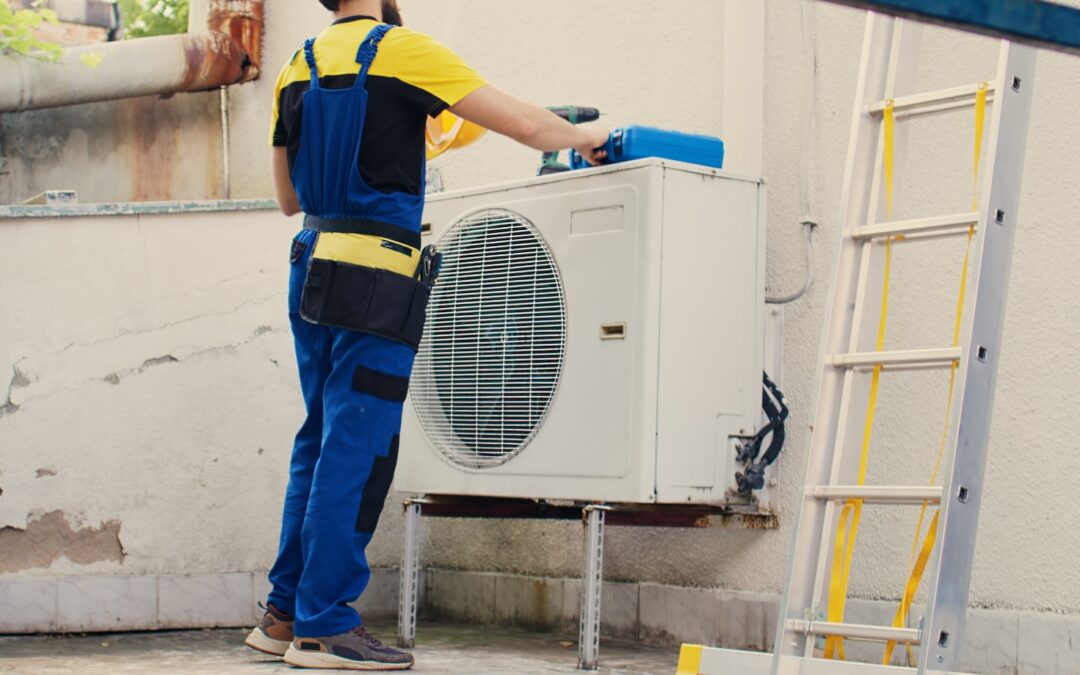
Key tasks on the checklist include changing air filters, cleaning the condenser and evaporator coils, checking refrigerant levels, and inspecting ductwork for leaks. Performing these tasks in spring and fall ensures that the HVAC system operates efficiently during peak usage seasons, ultimately saving homeowners money on energy bills.
Energy-Efficient HVAC Solutions for Homeowners
Energy-efficient HVAC solutions can significantly reduce energy consumption and lower utility bills. Homeowners are increasingly seeking sustainable options that not only provide comfort but also minimize environmental impact.
Options such as high-efficiency furnaces, programmable thermostats, and energy recovery ventilators (ERVs) can enhance the energy efficiency of HVAC systems. Additionally, considering the installation of smart home technology allows homeowners to optimize energy usage based on their lifestyle, leading to further savings and improved comfort.


Recent Comments