Furnace Not Heating? Find the Cause and Get Reliable Warmth Back

When your furnace runs but won’t warm the house, it’s frustrating — and it can cost you in comfort and energy. This guide walks you through the most common reasons a furnace blows cold air, safe ways to check pilot and ignition problems, when to call a trained technician, and simple maintenance steps to reduce repeat issues. You’ll get practical troubleshooting for thermostats, filters, pilot lights and igniters, basic electrical checks, and clear safety guidance for gas systems. We also outline local service options and preventative plans so you can move from quick DIY checks to scheduled professional care with confidence.

Why Is My Furnace Blowing Cold Air Instead of Heat?

If the blower runs but you’re getting cool air, the problem is often a control or airflow issue — the burner or heat source isn’t producing heat while the fan keeps circulating air. Typical causes include thermostat miscommunication, restricted airflow that triggers safety shutdowns, a failed pilot or igniter, or an electrical/power interruption that prevents ignition. Narrowing down the cause helps you take the right next step and avoid swapping parts unnecessarily. Below we cover thermostat and filter checks homeowners can safely try first.

Thermostat problems are a common, easy-to-fix source of cold-air issues when the blower runs but there’s no heat. Make sure the thermostat is set to heat and the set temperature is higher than the current room temp. Replace batteries if applicable and try a quick reset by turning the thermostat power off for about 30 seconds — that often clears minor glitches. If wiring looks damaged or a smart thermostat still behaves oddly, have a technician check the control wiring and calibration.

Dirty or clogged air filters cut airflow and can make the furnace overheat, trip safety switches, and leave you with only the blower running. Check filters monthly; if you see heavy dust or weak airflow from vents, replace or clean the filter right away. Use the correct filter size and a MERV rating that balances filtration and airflow so the heat exchanger can operate safely. Ongoing restriction or signs of blower damage mean it’s time for a professional inspection.

Different symptoms point to different fixes and escalation steps. The table below pairs common problems with likely causes and straightforward actions you can take before calling a technician.

ProblemLikely CauseQuick Fix / When to Call
Blower runs, no flameIgniter failure or pilot outVerify power and pilot; call a pro if relighting fails
Weak or cool airflowClogged filter or blocked ventsReplace filter and clear vents; call if problem continues
Furnace cycles on/off rapidlyOverheating or short cyclingCheck/replace filter; call for heat exchanger inspection

This quick reference helps you prioritize safe DIY checks and shows when equipment-level diagnosis is needed. Knowing these patterns makes any follow-up repair faster and more accurate.

How Can I Troubleshoot Pilot Light and Ignition Problems Safely?
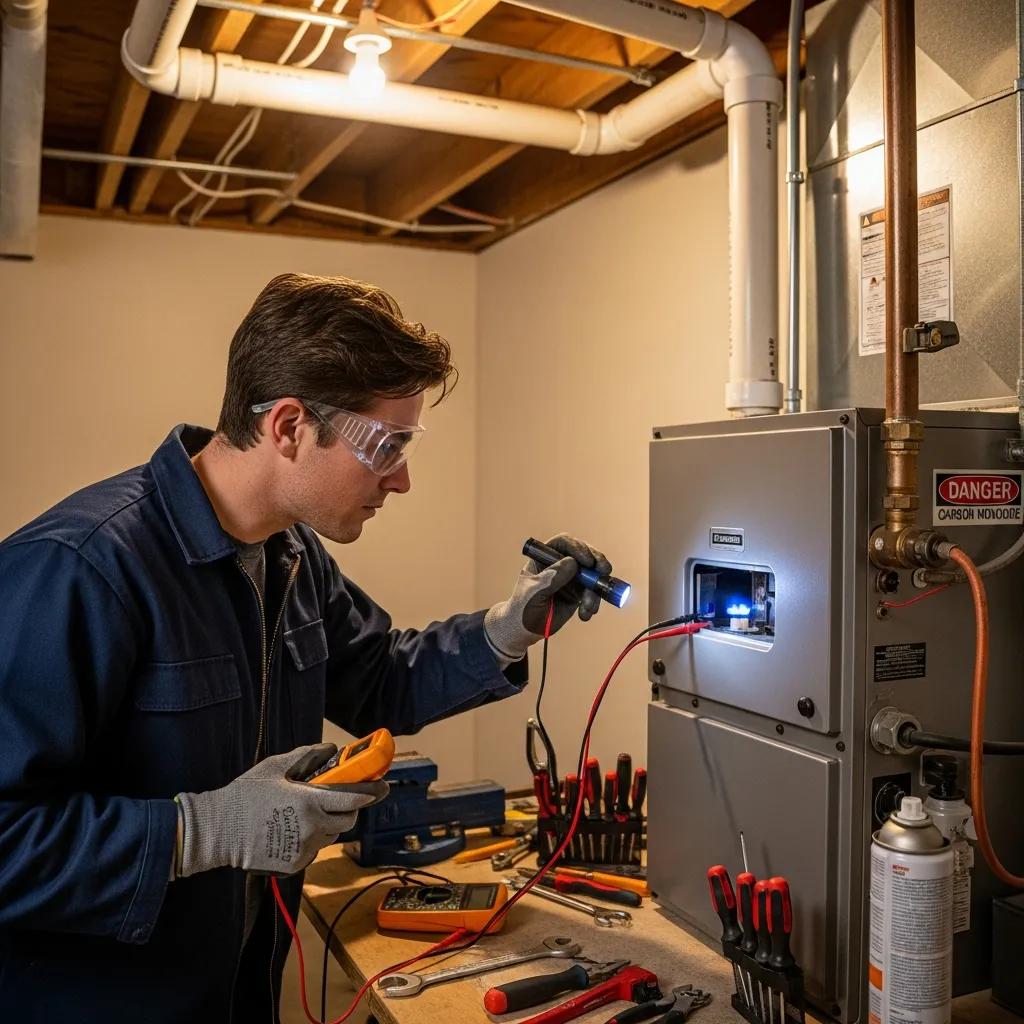
homeowner inspecting furnace pilot light safely emphasizing diy troubleshooting 721e7001 b12b 4533 877a 6cd5d0373c26

The pilot or ignition system creates the flame that heats your home. Older furnaces have a standing pilot light that can go out; newer models use electronic igniters that may wear or fail. Safe troubleshooting centers on confirming gas is present, visually checking the flame or igniter behavior, and stopping immediately if you suspect a gas leak or a complex electrical issue. Below are safe relighting steps for standing pilots and signs that an igniter needs professional attention.

If your furnace has a standing pilot, follow these safety-first steps to relight it: turn off power and gas to the furnace and wait the manufacturer-recommended time so any stray gas clears. Follow the furnace’s pilot relight instructions exactly: open the access panel, press the pilot gas button while lighting the pilot, and hold for the specified period before releasing. If you smell gas at any point, evacuate, avoid relighting, and call for professional help immediately.

Electronic igniters behave differently — you might hear clicking without a flame, multiple light attempts that end in a lockout, or complete silence when heat is called. A power reset at the furnace can sometimes clear a control lockout and let the igniter try again. Because igniters are fragile and replacement affects gas-valve timing and safety checks, have a qualified technician perform repairs and calibration.

If you’d rather leave relighting or igniter work to the pros, our technicians handle safe pilot relights and electronic ignition diagnostics. We offer prompt assessments and can schedule service to restore reliable ignition while following proper gas-safety procedures.

When Should I Call for Professional Furnace Repair Near Me?

Some signs require immediate professional attention for safety, while others are urgent but not emergencies. Call right away for gas smells, carbon monoxide alarm activation, unstable flames, or a furnace that won’t light after basic checks. Urgent but non-emergency signs include short cycling, loud or unusual mechanical noises, repeated thermostat errors, or steadily rising energy bills with reduced heat output. Read on for the specific warning signs and what our local team can do.

Contact a professional when you see clear safety hazards or when simple troubleshooting doesn’t fix the issue. Red flags include persistent gas odors, triggered CO alarms, visible smoke, or suspected heat exchanger damage — any of these require immediate shutdown and service. If you hear banging, grinding, or the unit keeps cycling despite a clean filter and correct thermostat settings, schedule a diagnostic quickly to prevent more serious damage. Fast professional response often reduces repair costs and safety risks.

Guaranteed Mechanical offers local heating repairs, preventative maintenance plans, and 24/7 emergency service for Aurora and Chicago’s western suburbs. We service all major HVAC brands and recommend replacements, like Amana, only when they make sense — we focus on honest assessments and durable repairs. For urgent or scheduled heating service, contact us with your symptoms and we’ll arrange a prompt, safe visit with clear next steps.

What Are Essential Furnace Maintenance Tips to Prevent Heating Issues?
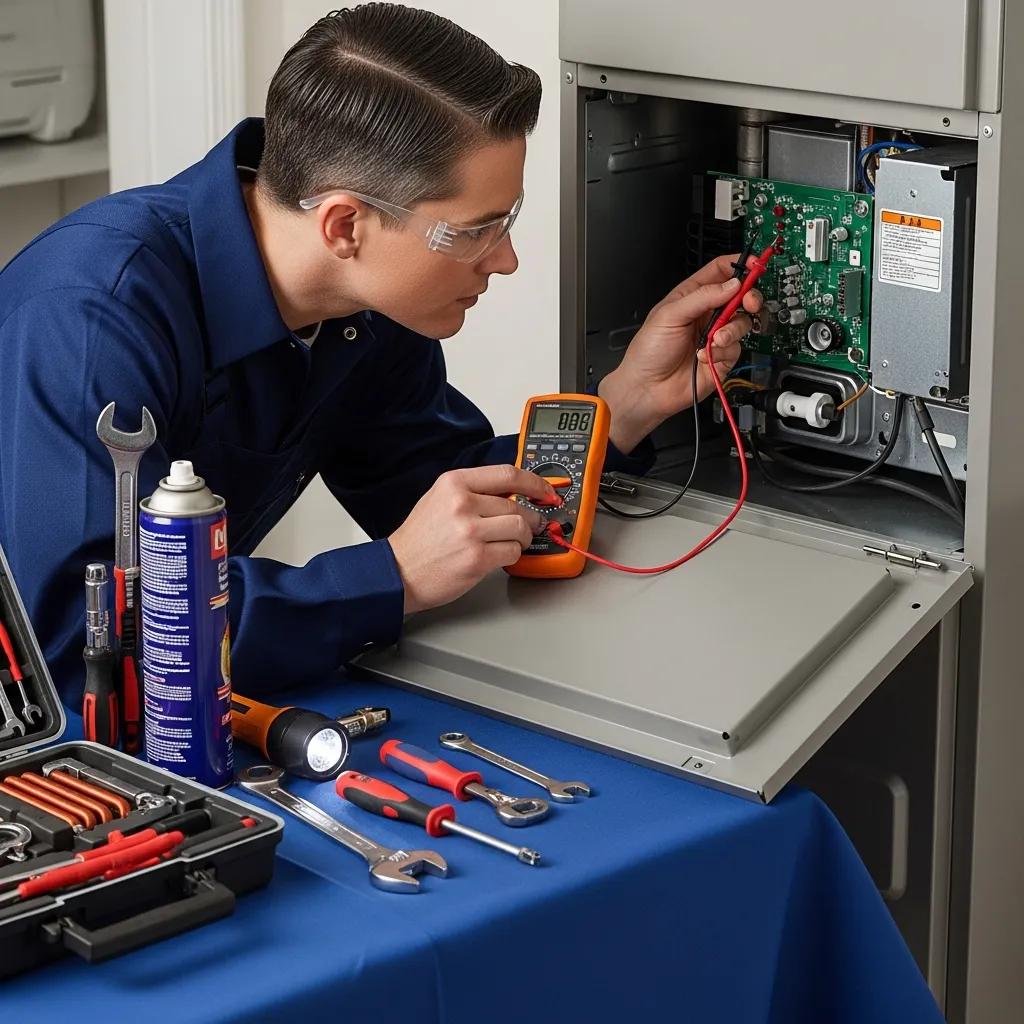
technician performing furnace maintenance highlighting essential upkeep for efficiency 6f1bb4a7 fb04 47d0 80b4 ee171addadd1

Preventative maintenance lowers breakdown risk, keeps systems efficient, and extends furnace life by addressing wear, combustion tuning, and airflow before they become problems. Core items include regular filter changes, annual tune-ups to inspect burners, heat exchangers, belts and blowers, and thermostat checks for accurate control. Sticking to a maintenance schedule reduces component strain and saves energy — and money — over time. The sections below explain recommended filter intervals and the value of scheduled preventative service plans.

Inspect filters monthly and replace them every 30–90 days depending on pets, allergies, and dust levels. High-efficiency filters trap more particles but can restrict airflow if not sized properly, so pick a MERV rating that matches your system’s needs. Replace a filter sooner if you see visible dust, feel reduced airflow at vents, or notice longer run times. Good filter care prevents short cycling and helps the heat exchanger run at safe temperatures.

Routine preventative maintenance typically includes burner cleaning, ignition checks, safety-control testing, motor lubrication, and airflow and thermostat verification. An annual tune-up finds worn parts before they fail and keeps combustion efficient; quarterly checks benefit high-demand systems or commercial units. Preventative plans reduce emergency repairs and extend equipment life by catching small issues early. Over time, regular service often pays for itself through fewer breakdowns and lower energy costs.

Before the maintenance table, here’s a short checklist of routine tasks homeowners should prioritize to keep heating systems reliable and efficient.

  • Replace Or Clean Air Filters: Keep airflow steady and protect internal components. Regular filter care prevents dust buildup that can cause overheating and shutdowns, helping your furnace run smoothly.
  • Schedule Annual Tune-Ups: Have a pro inspect combustion, controls, and safety systems. Annual service finds small problems before they become costly and keeps your system safe and efficient.
  • Keep Vents And Returns Clear: Maintain balanced airflow and even heat distribution. Closed or blocked vents force the furnace to work harder, increasing wear and energy use, so keep pathways open.
TaskFrequencyPrimary Benefit
Filter replacement30–90 daysImproved airflow and efficiency
Annual furnace tune-up1× per yearSafety checks and combustion efficiency
Thermostat calibration1× per year or as neededAccurate temperature control and reduced runtime

Ready To Restore Reliable Warmth? Schedule Your Furnace Service Today

Don’t sit in the cold or watch energy bills climb because of a malfunctioning furnace. Our team provides thorough diagnostics, safe repairs, and preventive care tailored to your home. Whether it’s a quick fix or a full tune-up, schedule your furnace service now and get back to steady, efficient warmth all season long.

Keeping your furnace running efficiently delivers consistent comfort, lowers energy costs, and extends equipment life. Understanding common problems and following basic preventative maintenance reduces the chance of costly breakdowns. For personalized solutions and professional help, schedule service with our experienced team — we’ll help you get warm and stay warm.