Understanding Indoor Air Quality
Indoor air quality (IAQ) refers to the condition of the air within buildings, particularly as it relates to the health and comfort of the occupants. Poor IAQ can lead to a range of health issues, including respiratory problems, allergies, and fatigue. Understanding the factors that affect indoor air quality is crucial for maintaining a healthy living environment.
Common pollutants such as dust, mold, and volatile organic compounds (VOCs) can accumulate in indoor spaces. Regular HVAC maintenance, including filter changes and system cleaning, can significantly reduce these contaminants, ensuring cleaner air circulation throughout your home or office. By prioritizing IAQ, you can enhance your overall well-being and comfort.
Benefits of Regular HVAC Maintenance
Regular HVAC maintenance is essential for ensuring optimal performance and longevity of your heating and cooling systems. By scheduling routine inspections and servicing, you can prevent costly breakdowns and improve energy efficiency. This proactive approach not only saves you money but also enhances the reliability of your HVAC system.
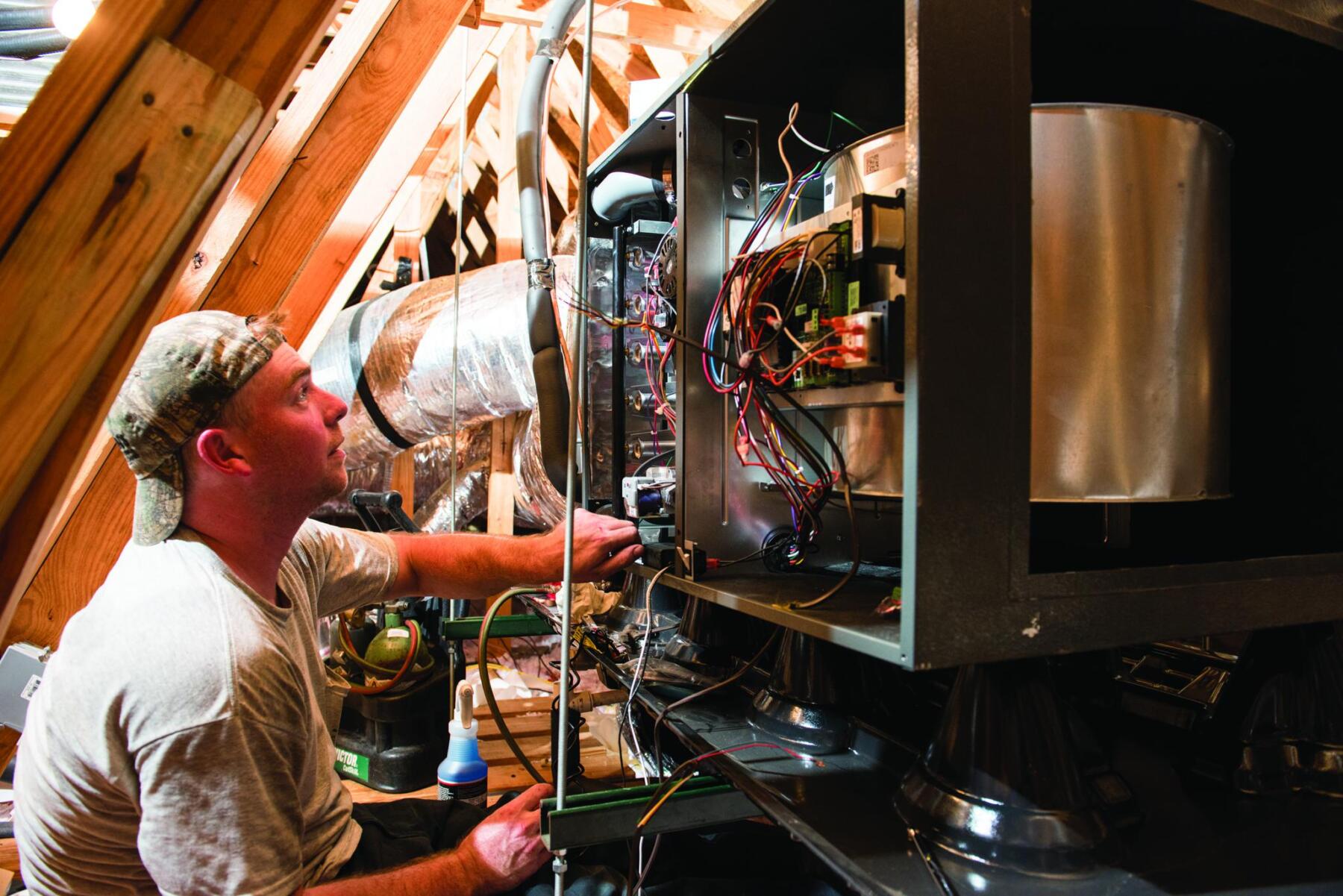
During maintenance visits, technicians can identify and address potential issues before they escalate. This includes checking refrigerant levels, cleaning coils, and inspecting electrical components. Additionally, regular maintenance can improve air quality by ensuring that filters are clean and functioning properly, resulting in a healthier indoor environment.
Choosing the Right Air Quality Solutions
When it comes to improving indoor air quality, selecting the right solutions is key. Options such as air purifiers, humidifiers, and dehumidifiers can address specific air quality concerns. Understanding the unique needs of your space will help you choose the most effective products to enhance your HVAC system's performance.
For example, if you live in a humid climate, a dehumidifier can help prevent mold growth and reduce allergens. Conversely, if the air in your home is too dry, a humidifier can maintain optimal humidity levels, promoting comfort and respiratory health. Consulting with HVAC professionals can provide tailored recommendations based on your specific air quality needs.
Common HVAC Air Quality Issues
Several common issues can impact the air quality in your home, including inadequate ventilation, mold growth, and dirty air filters. These problems can lead to unpleasant odors, increased allergens, and even health risks for occupants. Identifying these issues early is essential for maintaining a healthy indoor environment.
For instance, inadequate ventilation can trap pollutants indoors, while dirty air filters can circulate dust and allergens throughout your space. Regular inspections and maintenance can help detect these issues, allowing for timely interventions that improve air quality and ensure your HVAC system operates efficiently.
Understanding Indoor Air Quality
Indoor air quality (IAQ) refers to the condition of the air within buildings, particularly as it relates to the health and comfort of the occupants. Poor IAQ can lead to a range of health issues, including respiratory problems, allergies, and fatigue. Understanding the factors that affect indoor air quality is crucial for maintaining a healthy living environment.
Common pollutants such as dust, mold, and volatile organic compounds (VOCs) can accumulate in indoor spaces. Regular HVAC maintenance, including filter changes and system cleaning, can significantly reduce these contaminants, ensuring cleaner air circulation throughout your home or office. By prioritizing IAQ, you can enhance your overall well-being and comfort.
Benefits of Regular HVAC Maintenance
Regular HVAC maintenance is essential for ensuring optimal performance and longevity of your heating and cooling systems. By scheduling routine inspections and servicing, you can prevent costly breakdowns and improve energy efficiency. This proactive approach not only saves you money but also enhances the reliability of your HVAC system.
During maintenance visits, technicians can identify and address potential issues before they escalate. This includes checking refrigerant levels, cleaning coils, and inspecting electrical components. Additionally, regular maintenance can improve air quality by ensuring that filters are clean and functioning properly, resulting in a healthier indoor environment.
Choosing the Right Air Quality Solutions
When it comes to improving indoor air quality, selecting the right solutions is key. Options such as air purifiers, humidifiers, and dehumidifiers can address specific air quality concerns. Understanding the unique needs of your space will help you choose the most effective products to enhance your HVAC system's performance.
For example, if you live in a humid climate, a dehumidifier can help prevent mold growth and reduce allergens. Conversely, if the air in your home is too dry, a humidifier can maintain optimal humidity levels, promoting comfort and respiratory health. Consulting with HVAC professionals can provide tailored recommendations based on your specific air quality needs.
Common HVAC Air Quality Issues
Several common issues can impact the air quality in your home, including inadequate ventilation, mold growth, and dirty air filters. These problems can lead to unpleasant odors, increased allergens, and even health risks for occupants. Identifying these issues early is essential for maintaining a healthy indoor environment.
For instance, inadequate ventilation can trap pollutants indoors, while dirty air filters can circulate dust and allergens throughout your space. Regular inspections and maintenance can help detect these issues, allowing for timely interventions that improve air quality and ensure your HVAC system operates efficiently.