
Save on Energy Bills with High‑Efficiency HVAC: A Practical Guide to Comfort and Savings
Why Are Your Energy Bills So High? Understanding Inefficient HVAC Costs
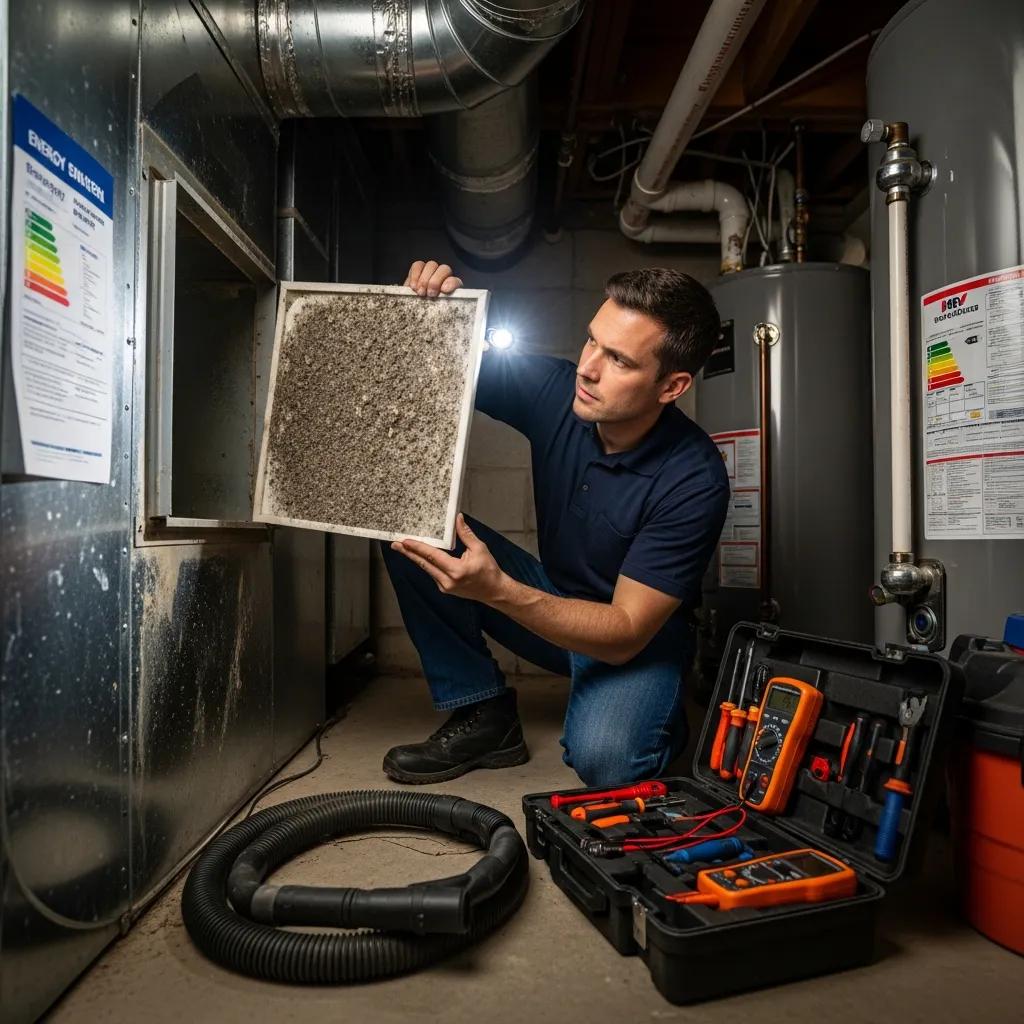
- Dirty or clogged filters that reduce airflow and force the system to run longer. Replacing or cleaning filters regularly improves performance and lowers energy use.
- Low refrigerant, which makes cooling systems work harder and can damage the compressor if left unaddressed.
- Duct leaks that let conditioned air escape into unheated or unfinished spaces, wasting energy and reducing comfort.
- Faulty thermostats that misread temperatures or cycle incorrectly, causing unnecessary run time and higher bills.
How Does an Outdated Furnace Affect Your Heating Bills?
What Are the Hidden Costs of Frequent HVAC Breakdowns?
Which High‑Efficiency HVAC Systems Can Lower Your Energy Costs?
What Are the Benefits of High‑Efficiency Furnace Installation?
How Do Energy‑Efficient AC Units Reduce Cooling Expenses?
How Can You Maximize HVAC Energy Savings at Home or Business?
- Upgrade to an energy‑efficient system: Choose units with high SEER and EER ratings to lower long‑term operating costs.
- Keep up with maintenance: Routine inspections and tune‑ups help systems run up to 15% more efficiently than neglected equipment.
- Change air filters regularly: Replace or clean filters every 1–3 months based on usage to maintain airflow and air quality.
- Clean coils: Ensure condenser and evaporator coils are free of dirt to prevent overheating and damage.
- Set thermostats smartly: Choose the highest comfortable summer setting and the lowest comfortable winter setting; consider a programmable or smart thermostat.
- Inspect ducts: Seal and clean ducts to stop conditioned air from escaping and to improve overall airflow.
- Watch for warning signs: Strange noises, uneven temperatures, and rising bills are early signals your system needs attention.
What Are Effective HVAC Energy Savings Tips?
- Regular maintenance: Annual or biannual tune‑ups catch wear before it becomes a problem.
- Filter replacement: Swap or clean filters every 1–3 months during heavy use.
- Thermostat management: Use setback schedules and programmable features to avoid wasted conditioning.
- Smart thermostats: These learn usage patterns and adjust automatically for extra savings and convenience.
- Visual inspections: Check the area around your unit for mold, debris, or blocked vents.
- Monitor energy bills: Track consumption — sudden increases often point to maintenance needs or failing components.


Recent Comments