
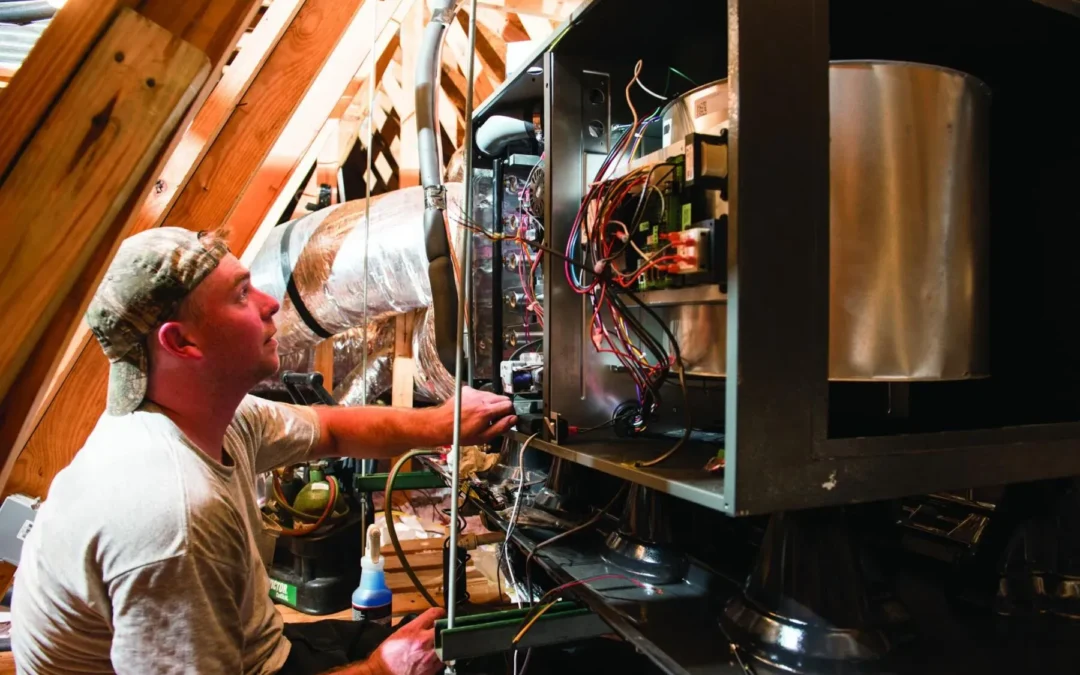
Comprehensive HVAC System Installation for New Residential and Commercial Builds: Expert Design, Energy Efficiency, and Reliable Service
At Guaranteed Mechanical, we understand that HVAC system installation in new residential and commercial construction is a critical foundation for modern building projects. This guide shares our expertise on core design principles, energy-efficient technologies, and standard installation procedures. We explain how load calculations and ductwork impact system performance and highlight the benefits of smart HVAC solutions. Additionally, we discuss cost factors, financing options, and the maintenance and warranty services we provide to support your new system. After reading, you will have a clear understanding of installation fundamentals and the advantages of partnering with Guaranteed Mechanical.
What Are the Key Principles of HVAC System Design for New Construction?
Our design approach for new construction focuses on precise load calculations, properly sized and installed ductwork, and prioritizing energy efficiency. Mastering these elements allows us to create comfortable indoor environments while minimizing energy consumption.
We also consider integration with the architectural layout, selecting durable materials, ensuring accessibility for maintenance, and planning for future scalability. Early collaboration with architects, structural engineers, and electrical contractors helps us avoid costly rework and deliver systems that remain efficient and maintainable throughout the building’s lifecycle.
Our design process includes thorough documentation and a clear specification package outlining performance targets, control strategies, and commissioning requirements. This documentation serves as the foundation for bidding, procurement, and post-installation verification, ensuring the installed system meets your expectations and complies with code requirements.
How Do Load Calculations Influence HVAC System Design?
Load calculations are essential to determine your building’s heating and cooling needs. Our technicians assess factors such as square footage, insulation levels, and occupancy to size equipment accurately. We use standard methods like Manual J calculations and energy modeling software to ensure correct sizing, which improves efficiency, reduces energy costs, and enhances occupant comfort.
We incorporate building orientation, glazing areas, internal heat gains, ventilation requirements, and local climate data into our calculations. By running multiple scenarios—typical occupancy, peak load, and reduced occupancy—we confirm that equipment and distribution systems will perform reliably under all expected conditions. These results guide our equipment selection, duct sizing, and control logic.
Accurate load calculations also influence equipment placement and fuel source choices. Oversized systems can cause short cycling, humidity control issues, and higher operating costs, while undersized systems may lead to discomfort and premature component wear. Our thorough calculation process minimizes these risks and supports long-term system performance.
What Role Does Ductwork Installation Play in System Efficiency?
Ductwork is a key factor in airflow and overall system efficiency. We design and install ducts to limit air leakage and balance distribution so conditioned air reaches every area effectively. The configuration, insulation, and sealing techniques we use significantly impact performance. Prioritizing quality ductwork enhances both energy efficiency and indoor air quality.
Our best practices include selecting appropriate duct materials and profiles for each application, sizing ducts to maintain designed airflow and static pressures, and applying proven sealing methods at all joints and penetration points. We carefully consider duct location—whether in conditioned or unconditioned spaces—to manage heat gain or loss as part of the building’s thermal strategy.
We commission ductwork by measuring flows, checking balancing dampers, and confirming static pressures to ensure the distribution network performs as intended. Proper insulation and vapor control around ducts are especially important in mixed-climate regions to prevent condensation and heat transfer losses.
Which Energy Efficient HVAC Solutions Are Best for New Residential and Commercial Buildings?
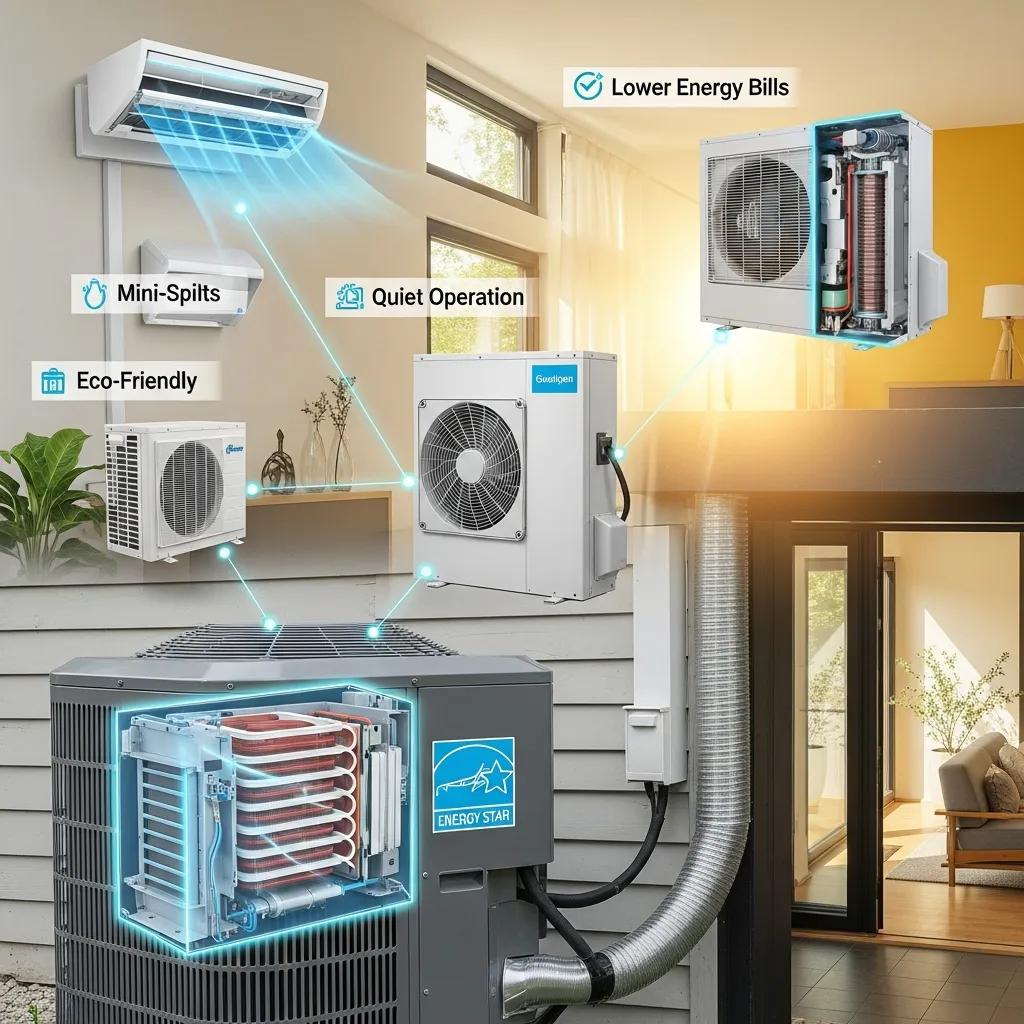
We offer a range of energy-efficient options for new construction, including high-efficiency central air conditioning systems, ductless mini-split systems, and heat pumps. Each technology provides unique advantages for reducing energy use and enhancing occupant comfort.
Choosing the right solution depends on your building type, envelope performance, zoning needs, and priorities. For larger commercial projects, packaged rooftop units, variable refrigerant flow (VRF) systems, and central plant heat pumps are often ideal. Smaller residential projects may benefit from ductless systems or compact heat pumps, especially in retrofit-limited spaces.
How Do Energy Efficiency Ratings Impact HVAC System Selection?
Energy efficiency ratings such as SEER (Seasonal Energy Efficiency Ratio) and EER (Energy Efficiency Ratio) guide our system selection process. Higher ratings indicate better energy performance, which translates to lower utility bills and a smaller environmental footprint. Understanding these metrics helps us recommend systems that meet your efficiency goals.
We consider the relevance of each rating to local operating conditions. For example, SEER values reflect seasonal performance under variable loads, while EER represents fixed conditions and is more indicative of peak demand performance. For heating, metrics like HSPF or COP help us compare winter performance. By evaluating equipment across these metrics and your local climate, we ensure the selected system aligns with your operational needs.
Beyond baseline ratings, we look for features that enhance part-load performance, such as variable-speed compressors, modulating burners, and smart controls. These features often deliver real-world energy savings beyond steady-state ratings, especially in buildings with variable occupancy or intermittent loads.
What Are the Benefits of Smart HVAC Technologies in New Builds?
Smart HVAC technologies, including programmable thermostats, remote control, and real-time monitoring, enable us to optimize energy savings and operational control. These tools allow us to fine-tune schedules and diagnostics, improving system performance and occupant comfort. They also help manage ventilation and humidity, enhancing indoor air quality.
Our advanced control systems support setpoint staging, demand response participation, fault detection and diagnostics (FDD), and trending of key operational parameters. These capabilities simplify preventive maintenance, reduce downtime, and identify opportunities to lower energy consumption and operating costs. Integration with building management systems provides centralized oversight for multi-zone or multi-building portfolios.
When specifying smart technologies, we prioritize interoperability, cybersecurity, and user-friendly interfaces for building operators. We plan for remote access, layered permissions, and clear alarm definitions to ensure long-term usability and help you realize the full benefits of connected systems.
When comparing these technologies, we consider lifecycle costs, maintenance accessibility, and local service availability. The most energy-efficient option on paper may not deliver the best value if it is costly to service or poorly matched to your building’s operational profile. Our holistic evaluation includes installation impacts, controls integration, and expected maintenance requirements to recommend the best solution for you.
What Is the Typical Installation Process and Timeline for New HVAC Systems?
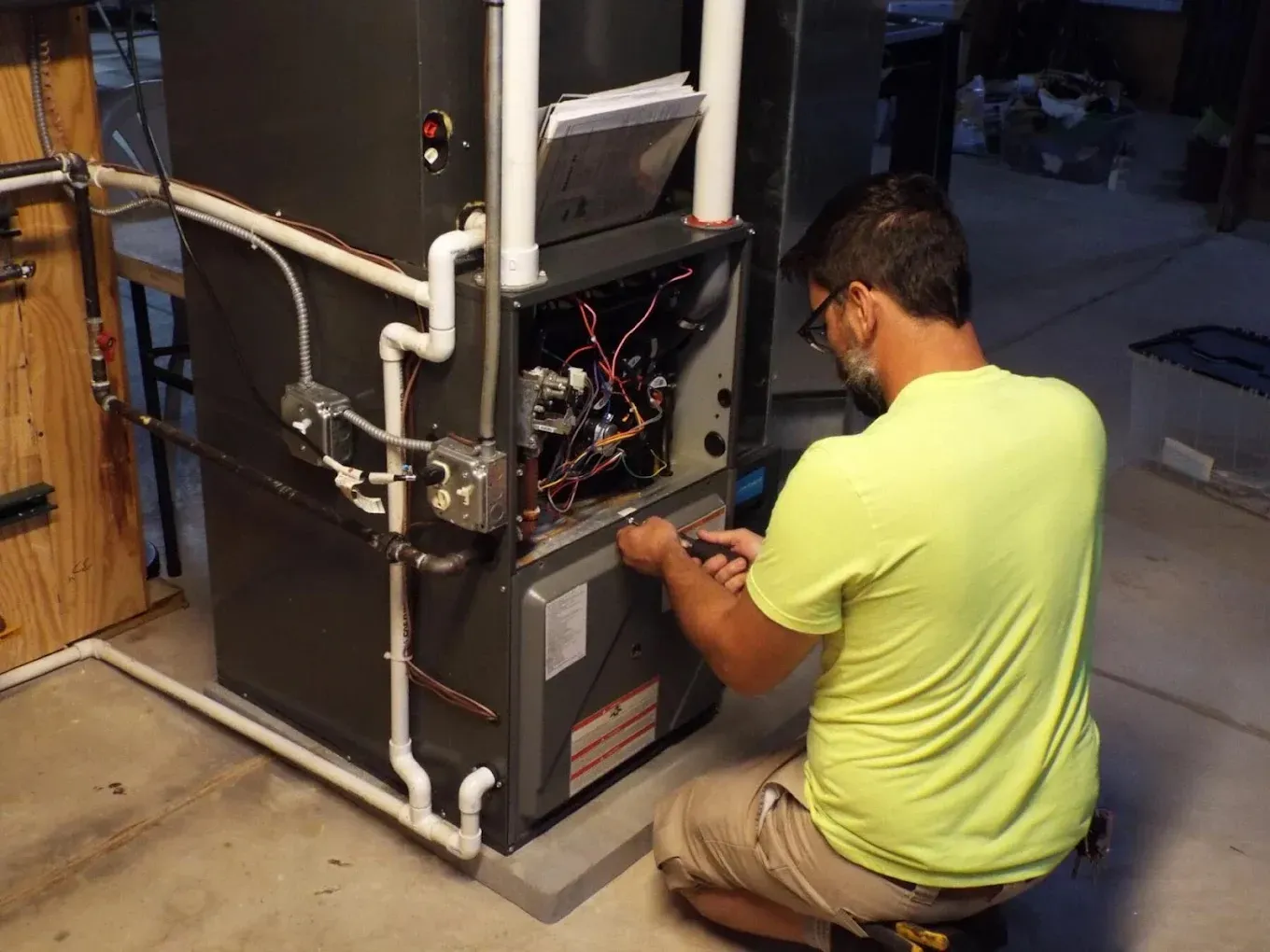
Our installation process for new HVAC systems follows clearly defined phases. Understanding these phases helps you plan schedules and prepare the site accordingly.
What Are the Step-by-Step Phases of HVAC Installation?
We follow these key phases:
- Assessment and Consultation: We conduct a thorough evaluation of your building’s heating and cooling needs, including site verification and utility capacity checks.
- System Selection: Based on the assessment, we help you choose the appropriate HVAC system, followed by procurement and submittal reviews to approve equipment specifications and control sequences.
- Installation and Testing: Our team installs the system, performs mechanical and electrical connections, charges refrigerant, measures airflow, and commissions the system to verify performance against design criteria.
Commissioning and balancing are critical steps that confirm the system meets load, comfort, and control objectives. We perform functional testing of safeties, calibrate controls, balance airflow, and document test results for your records and future maintenance.
How Long Does HVAC Installation Usually Take for New Construction?
The installation timeline varies depending on system complexity and building size. Typically, installations take from several days up to a few weeks. Factors influencing duration include HVAC type, existing infrastructure, and technician availability.
For phased projects, we coordinate closely with general contractors and other trades to ensure mechanical rooms, roof penetrations, and electrical services are ready when needed. Early planning and clear milestones reduce the risk of delays and help us complete installation efficiently.
Large commercial projects or central plant installations require detailed scheduling, staging, and testing, often including staged turnovers for partial occupancy. Our project management accounts for material lead times and site logistics to keep your project on track.
How Do Cost and Financing Options Affect New HVAC System Installation?
Cost is a significant factor in system selection and overall construction budgeting. We help you understand the main cost drivers and available financing options to make informed decisions.
What Factors Determine the Cost of HVAC Installation?
- Type of HVAC System: Different systems vary in price based on technology and efficiency. We guide you through options to find a system that fits your budget and performance needs.
- Size and Capacity: Larger or higher-capacity systems generally cost more. We ensure your system is sized correctly to avoid unnecessary expenses while meeting your comfort requirements.
- Installation Complexity: Complex installations may require additional labor and materials, increasing costs. We assess site conditions and design to provide accurate cost estimates.
Other factors include permitting fees, utility connections, custom ductwork, architectural constraints, and the level of controls and automation specified. Accessibility challenges, such as tight mechanical rooms or roof access restrictions, can also affect labor time and costs.
We perform lifecycle cost analyses that consider operating expenses, maintenance, and potential incentives. Often, higher-efficiency equipment offers better value over time. Including maintenance contracts and planned service schedules in your procurement decision helps predict ongoing operational costs and influences initial selection.
Which Financing Solutions Are Available for Residential and Commercial Clients?
We offer flexible financing options tailored to residential and commercial clients, providing manageable payment plans to fit your budget. Many of our clients benefit from rebates or tax incentives available for installing energy-efficient systems, which we help you identify and apply for.
Additionally, some financial institutions provide loans specifically for HVAC installations, allowing extended repayment terms. We work with you to evaluate financing options that align with your project cash flow, ownership goals, and expected energy savings. Combining manufacturer rebates, utility incentives, and tax credits with financing can improve project economics and shorten payback periods. We always confirm eligibility for incentives before specifying equipment to ensure compliance with program requirements.
What Maintenance and Warranty Services Support New HVAC Installations?
We provide comprehensive maintenance and warranty services to protect your investment and ensure system longevity and reliability.
How Does Preventative Maintenance Extend HVAC System Lifespan?
- Routine Inspections: We schedule regular check-ups to assess system performance and identify wear early, preventing costly breakdowns.
- Cleaning and Servicing: Our team performs regular cleaning of filters and components to maintain efficient operation and indoor air quality.
- Cost Savings from Maintenance: Preventative maintenance helps avoid major repairs and extends system life, resulting in significant long-term savings.
Our typical maintenance includes seasonal tune-ups, filter replacements, lubrication of moving parts, refrigerant checks, and safety device testing. We document all maintenance activities and observed trends to help you make informed decisions about component replacement and system upgrades. Our formal maintenance plans reduce unexpected downtime and enable predictable operating costs.
Service agreements often include priority scheduling, discounted labor rates, and planned inspections timed to seasonal transitions. For commercial properties, we integrate maintenance tracking with facility management software to centralize records and simplify warranty claims.
What Warranty Options Are Offered for New HVAC Systems?
- Limited Parts Warranty: Covers specific components for a defined period, giving you peace of mind on key parts.
- Labor Warranty: Provides coverage for installation-related issues, ensuring quality workmanship.
- Extended Warranty Options: We offer extended warranties for additional protection and peace of mind beyond standard coverage.
We help you understand what is covered and the conditions required to maintain warranty validity. Proper installation by our certified technicians, timely commissioning, and adherence to recommended maintenance schedules are essential. Keeping records of commissioning reports and maintenance activities supports warranty claims if issues arise.
Where available, extended warranties can be combined with service agreements to create comprehensive protection packages that include regular inspections and reduced repair costs. We review warranty terms carefully with you to confirm coverage limits, exclusions, and owner responsibilities.
Why Choose Guaranteed Mechanical for HVAC Installation in Aurora, IL?
Choosing an experienced installer is vital for a successful HVAC project. In Aurora, IL, Guaranteed Mechanical stands out for our technical expertise and commitment to customer satisfaction.
We emphasize transparent project management, clear documentation, and a partnership approach with builders and owners. From pre-construction planning to commissioning and post-installation support, we provide the technical resources and field experience needed to execute projects reliably and on schedule.
What Certifications and Expertise Does Guaranteed Mechanical Hold?
Our technicians hold industry-recognized training and certifications to install and service a wide range of HVAC equipment. This expertise ensures compliant, high-quality installations tailored to your specific requirements.
We invest in continuing education for our staff to stay current with updated codes, evolving efficiency standards, and emerging control technologies. Our certified technicians, combined with systematic quality checks and documented commissioning, deliver installations that meet performance expectations and facilitate long-term maintenance.
How Does Guaranteed Mechanical Ensure Compliance with Local Building Codes?
We ensure all installations comply with local building codes and safety standards, protecting you and enhancing installation quality.
Our compliance process includes up-to-date code knowledge, coordinated permitting workflows, and thorough inspection preparation. Early engagement with code officials, detailed documentation, and pre-inspection checklists reduce the risk of corrective actions that could delay occupancy or increase costs.
Our adherence to local regulations reflects our broader commitment to global standards that support optimal system performance and reliability.
How Can Customers Schedule HVAC Installation and Service Appointments?
Scheduling installation and service with Guaranteed Mechanical is straightforward. We guide you through the process to ensure efficient arrangements.
What Is the Process to Request a Quote or Schedule Installation?
To request a quote or schedule installation, you can contact us through our website or by phone. A representative will discuss your needs and assess your property to provide a tailored quote based on your project scope, anticipated occupancy, architectural plans, and specific comfort or efficiency targets.
For commercial projects, providing utility rate information and operational schedules helps us prepare a proposal aligned with your long-term operating goals. Clear communication and early information lead to more accurate proposals and smoother project execution.
Which Contact Methods Are Available for Customer Support?
We offer multiple support channels to accommodate your preferences. You can reach us by phone, use the online contact form on our website, or visit our office located at 2601 Beverly Dr, Unit 106, Aurora, IL 60502. These options provide convenience and accessibility for service requests or inquiries. Emergency response and planned maintenance scheduling are handled through the same contact points to ensure continuity and clear communication.
What Are Common Customer Questions About New HVAC System Installation?
How to Choose the Right HVAC System for New Construction?
Choosing the right system involves evaluating several factors. We assess your building size and specific heating and cooling requirements to recommend suitable options. Energy efficiency is a key consideration, and we help you understand ratings to ensure long-term savings.
Budget considerations include both initial costs and potential savings over time. We also discuss indoor air quality needs, zoning requirements, maintenance accessibility, and anticipated lifecycle replacement schedules. Our expertise helps you balance upfront costs, operating expenses, and occupant comfort.
What Are the Latest 2026 Energy Standards Affecting HVAC Installations?
The 2026 energy standards introduce stricter efficiency and sustainability requirements for HVAC systems. New installations must meet higher efficiency benchmarks to qualify, and there is increased emphasis on integrating renewable energy sources.
Builders and contractors, including our team at Guaranteed Mechanical, ensure all installations comply with these updated standards. Early planning during the design phase is essential to select equipment, control strategies, and renewable integrations that meet these benchmarks. We stay informed on regulatory changes to advise you on compliant solutions that align with your project goals.
These evolving standards are part of a global movement redefining HVAC professionals’ roles in achieving decarbonization objectives.
Partner with Guaranteed Mechanical for Your HVAC Installation Needs
At Guaranteed Mechanical, we are dedicated to delivering reliable comfort and energy-efficient HVAC solutions tailored to your residential or commercial project. Our experienced team guides you through every step—from design and installation to maintenance and support—ensuring compliance with local codes and high-quality workmanship.
Contact us today through our website or by phone to discuss your HVAC requirements and receive expert, customized solutions that meet your needs and budget. Let us help you achieve dependable, efficient, and compliant HVAC systems that enhance your building’s performance and occupant satisfaction.


Recent Comments